The Biggest Causes of Retaining Wall Failure and How to Prevent Them
Understand how to identify the biggest risks to retaining walls and how to identify them (before its too late).

The Biggest Causes of Retaining Wall Failure and How to Prevent Them
Retaining wall failure is becoming an increasingly common issue across the UK. Contractors are seeing it more frequently on-site. Local authorities are flagging it in inspections. Asset owners are facing unexpected repair costs.
From highways and rail corridors to riverbanks and private developments, retaining walls are under growing pressure. In most cases, failures can be traced back to two primary causes that are often underestimated during design, construction, or ongoing maintenance phases.
Understanding these risks (and addressing them early) is key to protecting both the structure and the assets it supports.
1. Water Pressure and Inadequate Drainage Failure in Retaining Walls
Groundwater is one of the most common and destructive causes of retaining wall failure. The combination of water buildup and poor drainage systems behind the structure exerts excessive lateral pressure. If the back-fill becomes oversaturated, hydrostatic pressure can easily exceed the retaining wall’s design load, causing bulges, cracks or in worst-case scenarios, entire collapses. Similarly, if drainage fails, water can rise against the wall, forcing resistance against the full hydrostatic pressure of the soil water load (Transport Research Lab).
Common contributing factors include:
• Changes in ground conditions caused by rising groundwater levels or increased surface water.
• Poorly designed or undersized drainage systems behind the retaining wall.
• Blocked or poorly maintained weep holes.
• Alterations to surrounding land drainage, such as agricultural works or development upstream.
• Increased surface runoff from buildings or hardstanding above the wall.
• Higher rainfall intensity linked to changing local climate patterns.
• Toe erosion along riverbanks, leading to loss of support at the base of the structure.
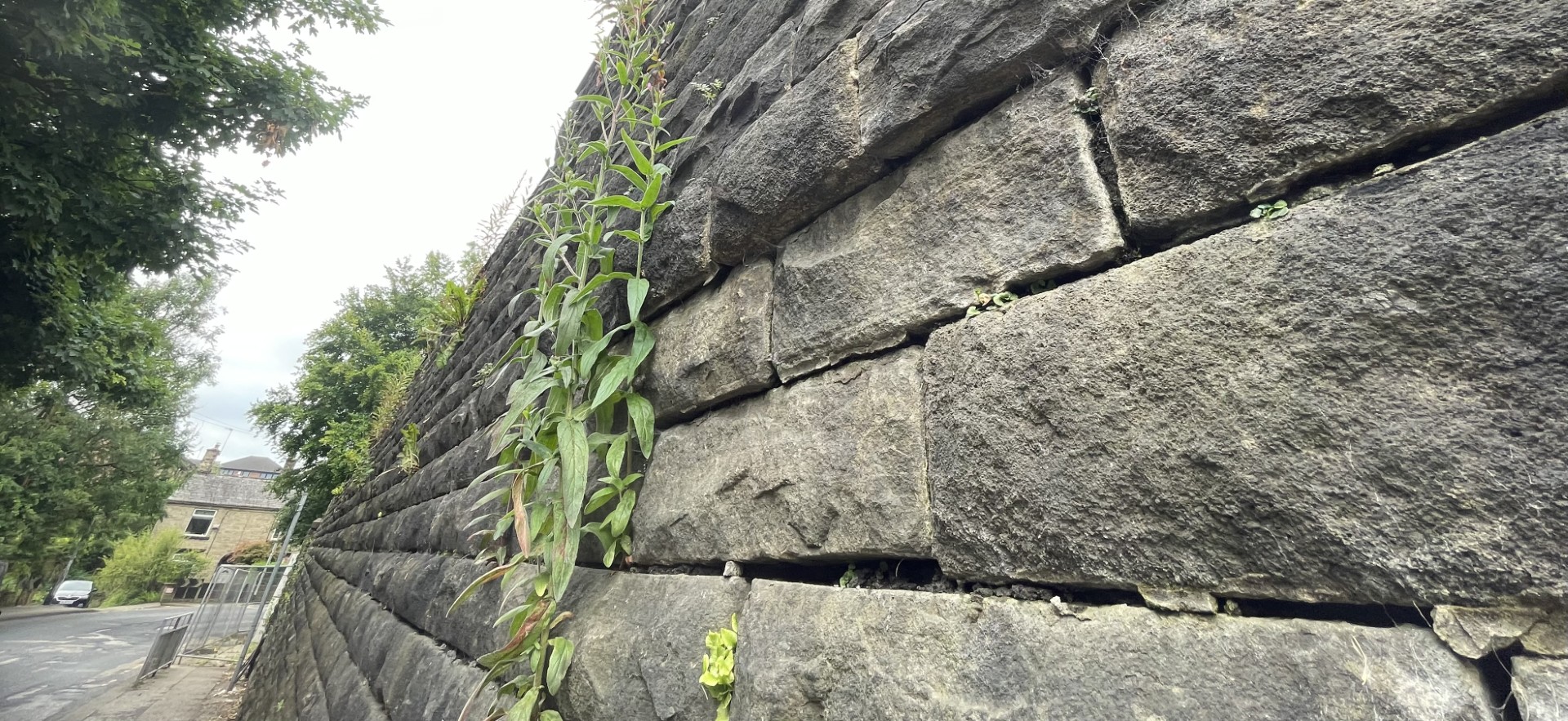
2. Trees and Vegetation Management and Their Impact on Retaining Walls
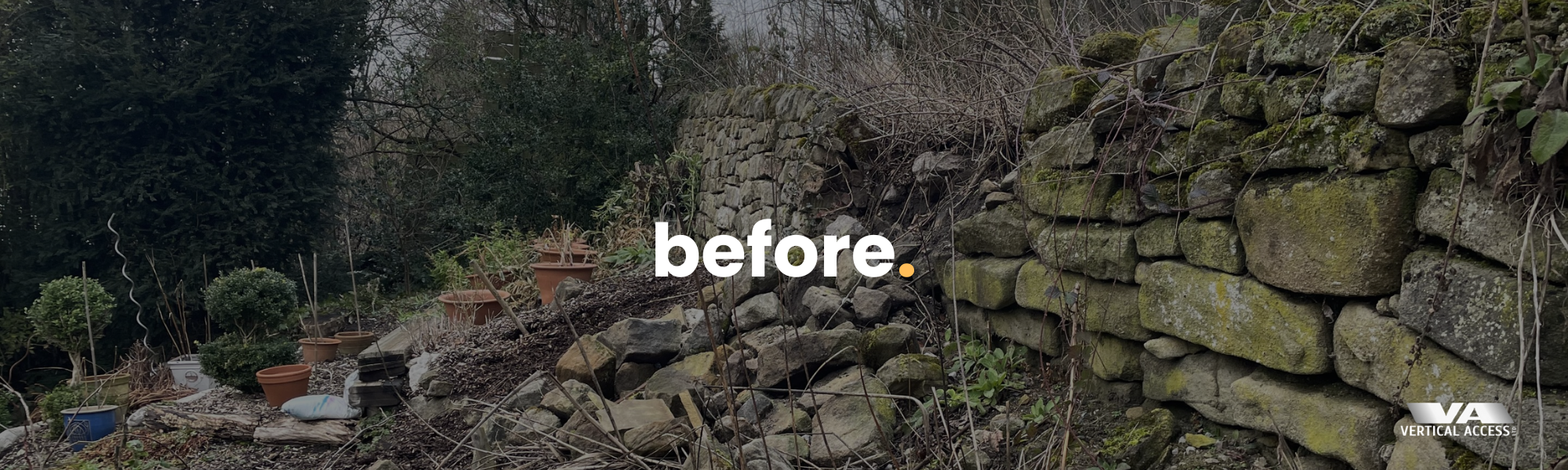
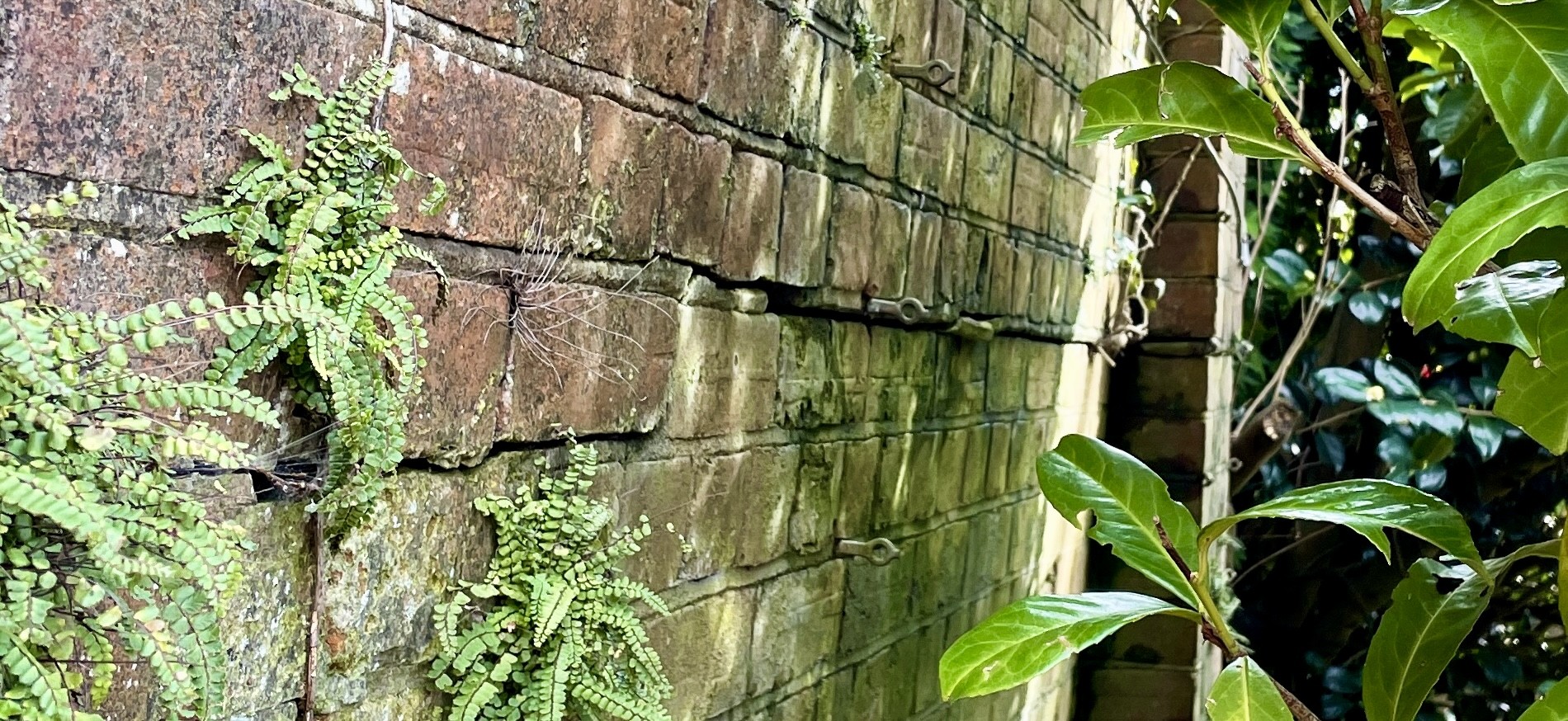
Vegetation is often overlooked as a structural risk, but poorly managed trees and plant growth can introduce significant mechanical and hydraulic pressures on retaining walls.
Roots, surcharge loads, and changes in moisture balance all affect wall performance (sometimes long before visible signs of distress appear).
Typical vegetation-related issues include:
•Lack of routine maintenance allowing excessive vegetation growth behind the wall.
•Large root systems exerting lateral pressure on the structure.
•Trees above the wall increasing surcharge loads on retained ground.
•Reactive tree removal without environmental assessment, leading to sudden water retention due to loss of transpiration.
•Roots blocking drainage paths or physically displacing masonry and facing elements.
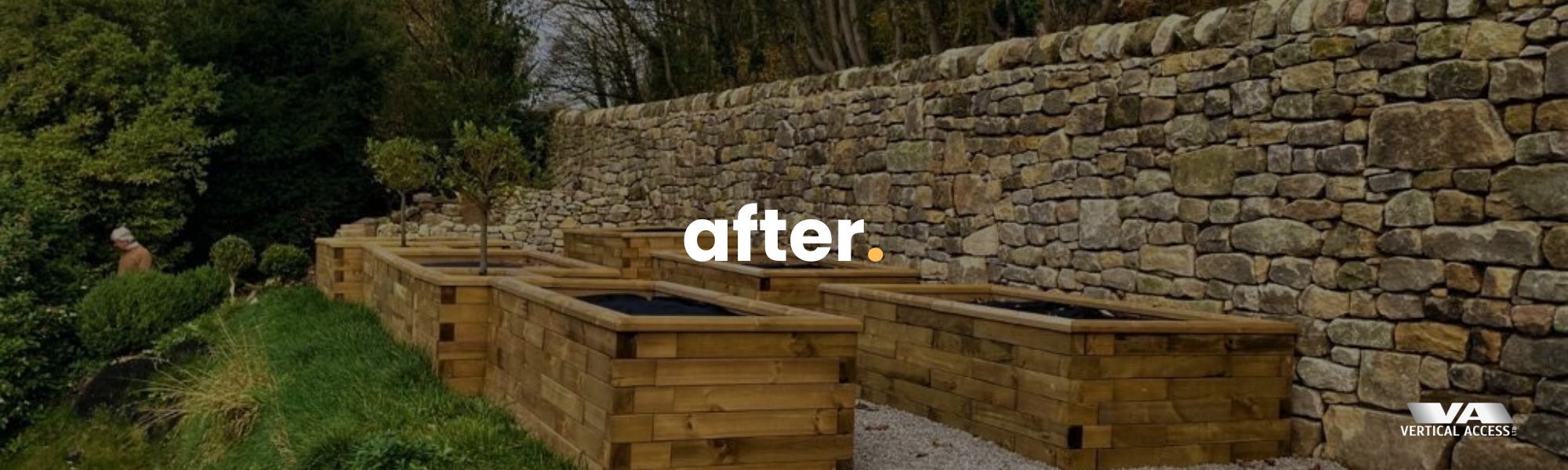
•Without a considered management strategy, vegetation can compromise both the structural integrity and drainage performance of a retaining wall.
3. Surcharges and Additional Loads on Retaining Walls
Anything that increases lateral load on the wall beyond its design risks failure. Heavy surcharges include adjacent structures or vehicles, added fill, or even unusually heavy rainfall events. Even parking a car, building a shed, or waterlogged soil behind the wall can push a wall to failure. A wall designed only for static soil pressures may start leaning or cracking when these loads appear.
Warning Signs of Retaining Wall Failure
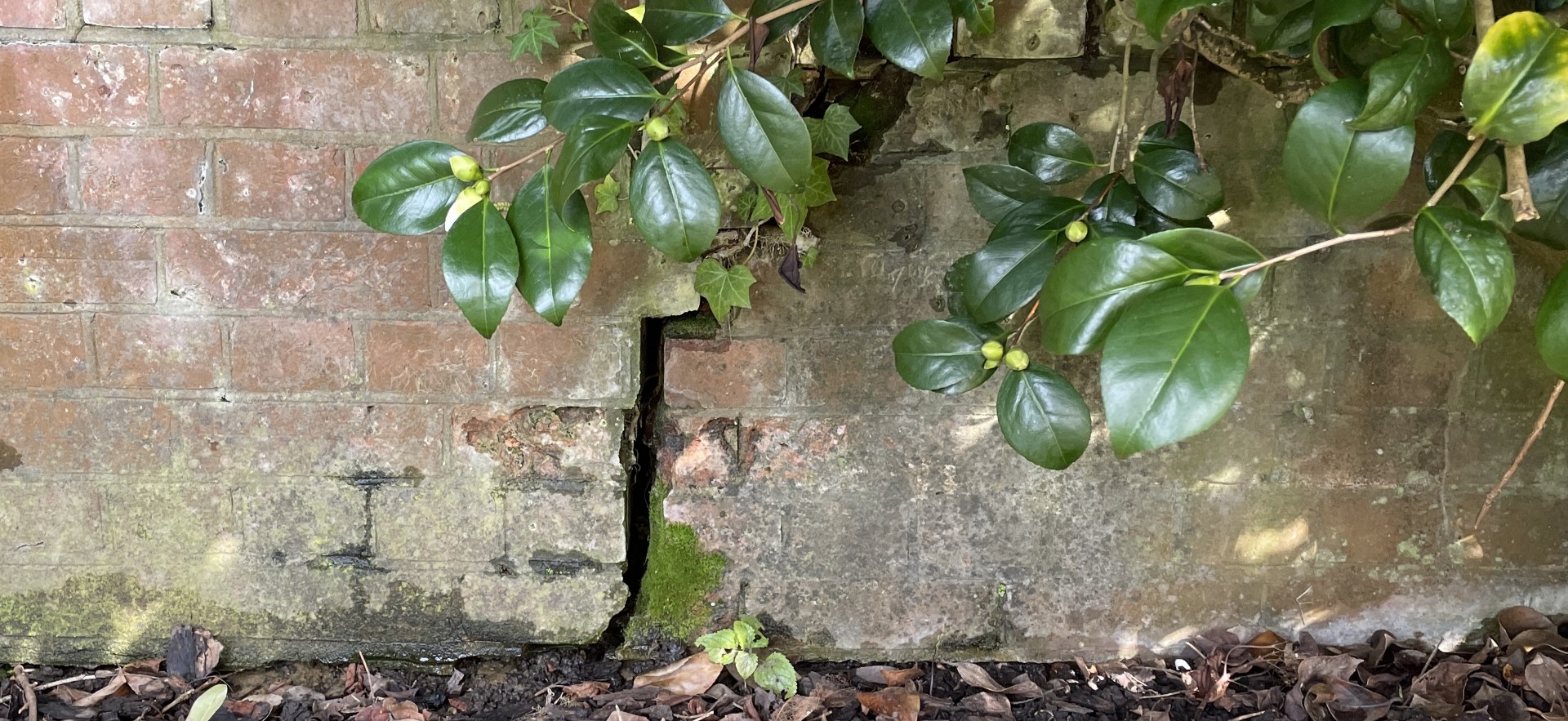
Most retaining wall failures develop progressively rather than suddenly. Early identification is critical and often allows for targeted, cost-effective intervention rather than full reconstruction.
Common early indicators include:
•Bulging or outward movement
•Cracking in masonry or concrete elements
•Localised displacement or settlement
•Persistent saturation of retained ground
•Blocked or non-functioning drainage outlets
If any of these signs are present, a professional inspection should be carried out as soon as possible.
Preventative and Remedial Retaining Wall Solutions
Every retaining wall performs differently depending on wall type, retained height, soil profile, groundwater regime, loading conditions and access constraints. For that reason, transparent assessment and evidence-led geotechnical design are fundamental to any remedial strategy.
When damage is detected or retrofit reinforcement is required, a structured and technically justified approach is essential:
•Improved drainage:
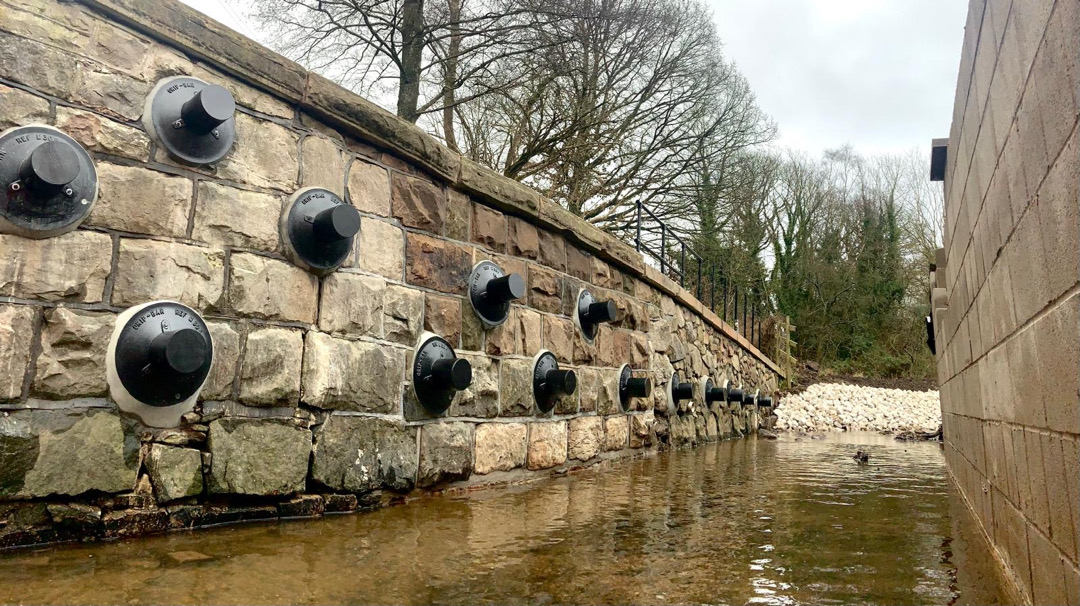
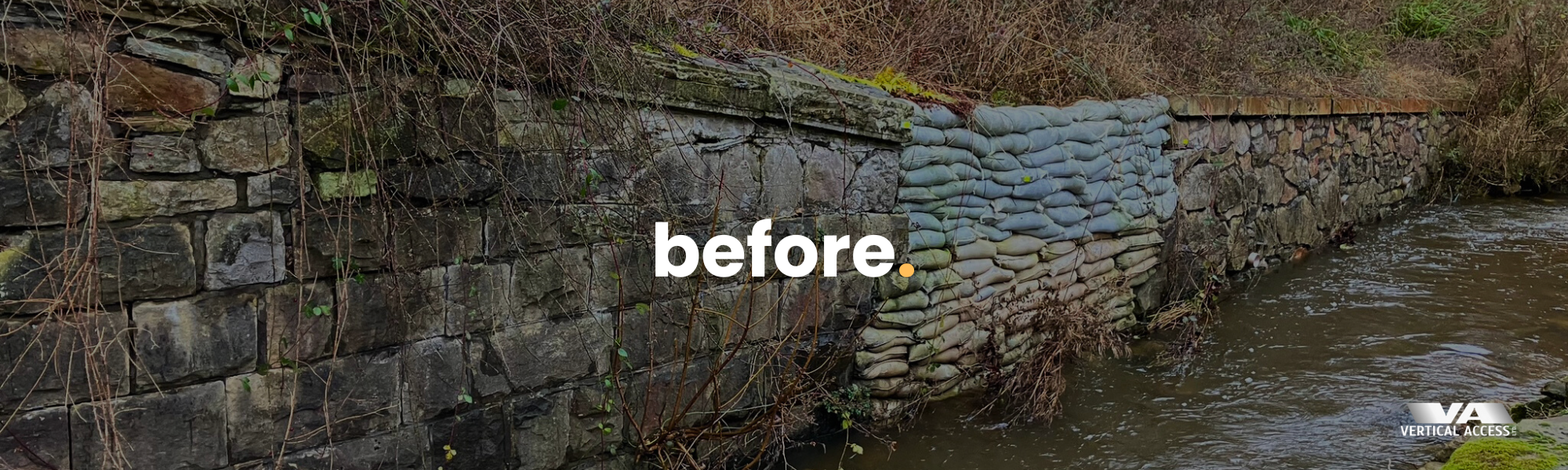
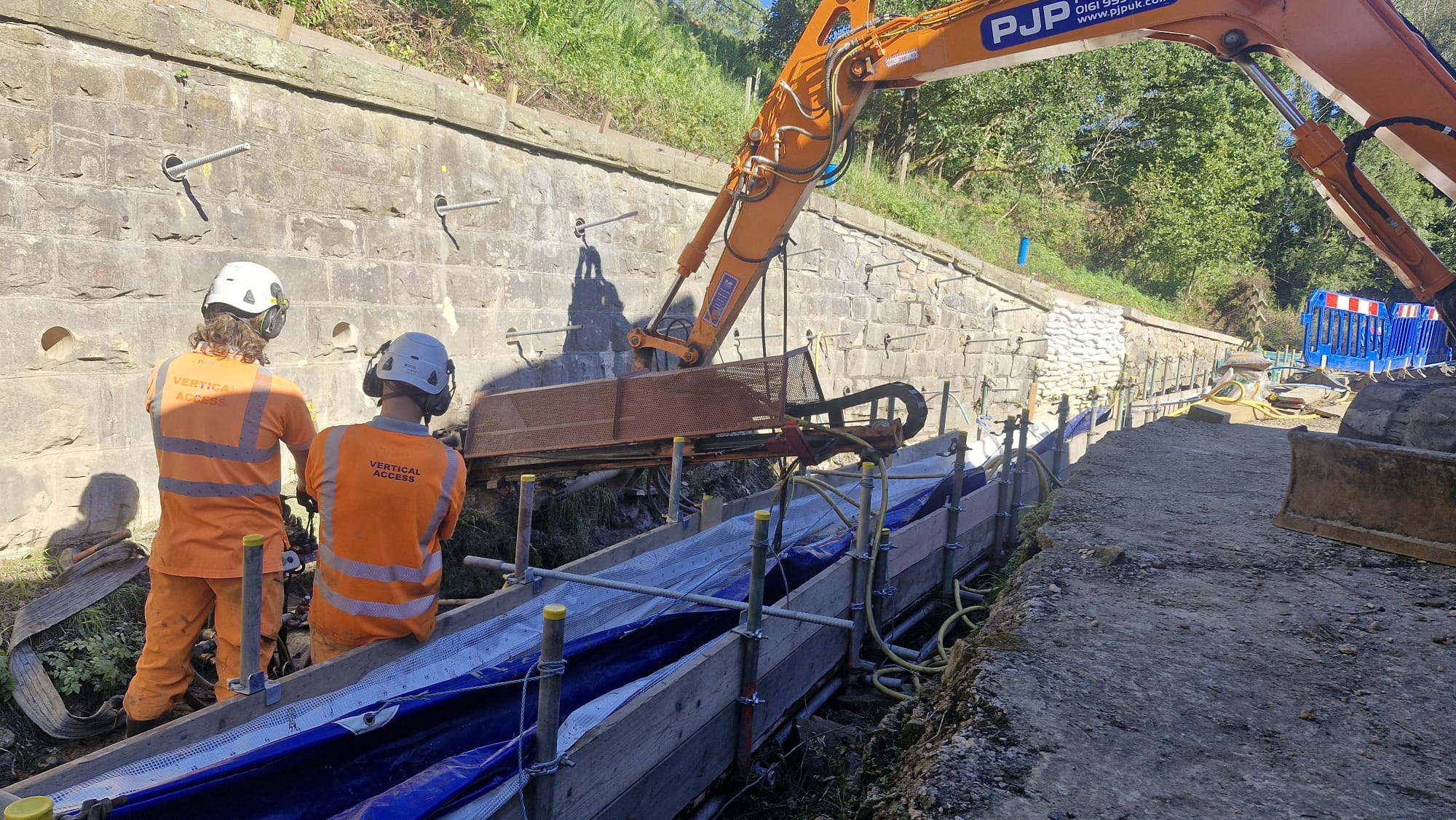
Drainage restoration should always be addressed first. Installing or upgrading systems may include vertical drainage paths discharging into horizontal perforated collector pipes, with appropriately spaced weep holes along the wall face. Trench drains or deep collector pipes can relieve hydrostatic pressure acting on existing structures. Retrofit solutions such as Plati-Drain systems by Platipus Anchors create high-capacity subsurface drainage pathways where traditional excavation is restricted. Inspection regimes must include clearing blocked outlets, removing silted pipework and diverting surface water runoff away from retained backfill. Strengthening without resolving groundwater pressure will only prolong failure mechanisms rather than eliminate them.
•Soil nailing:
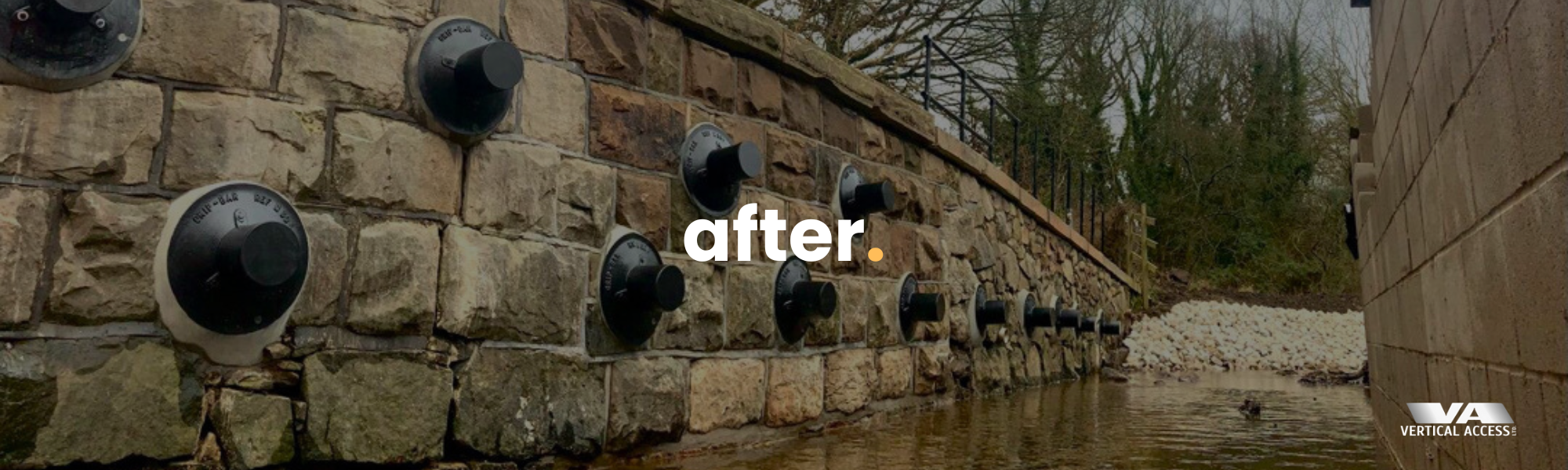
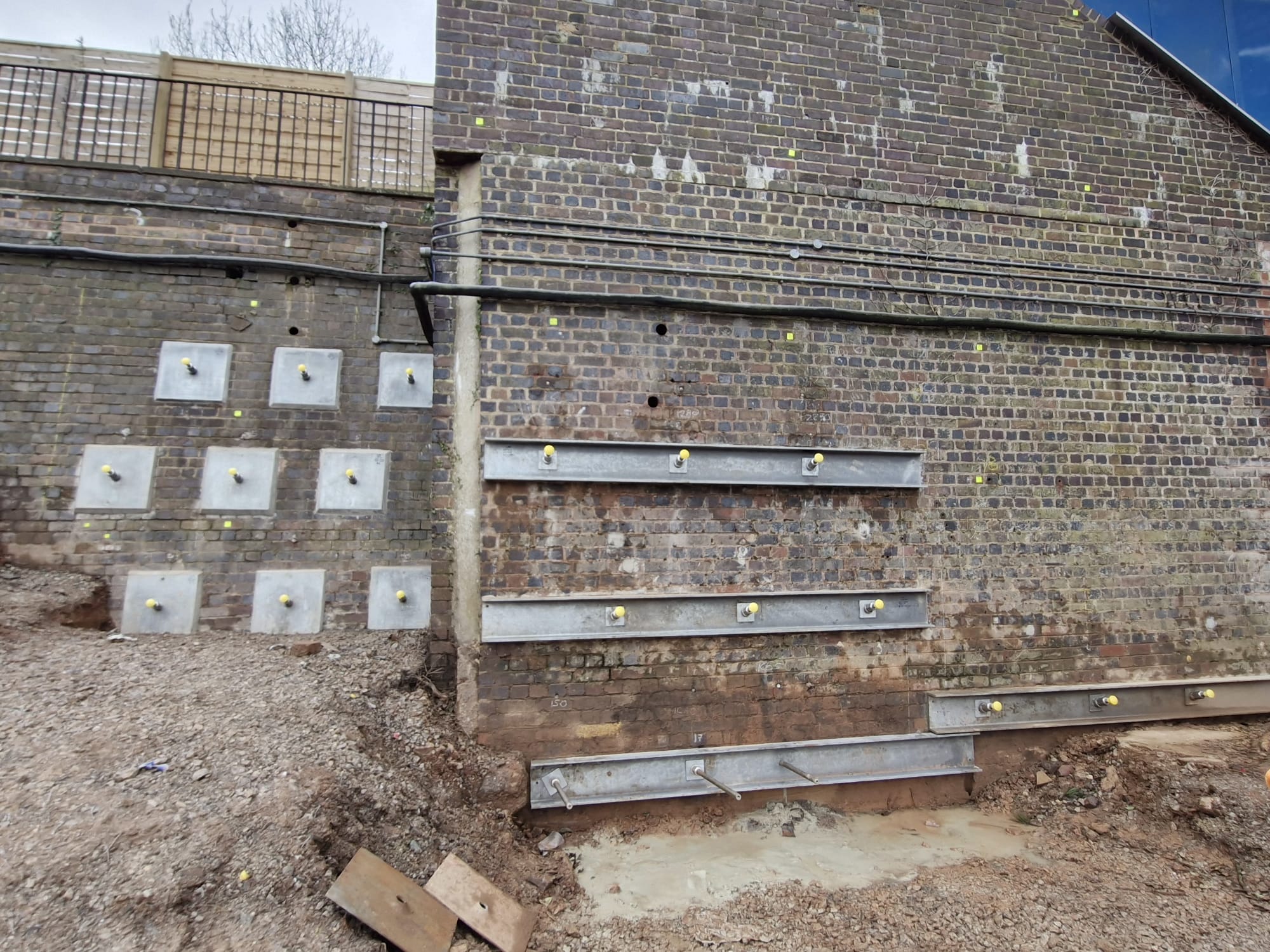
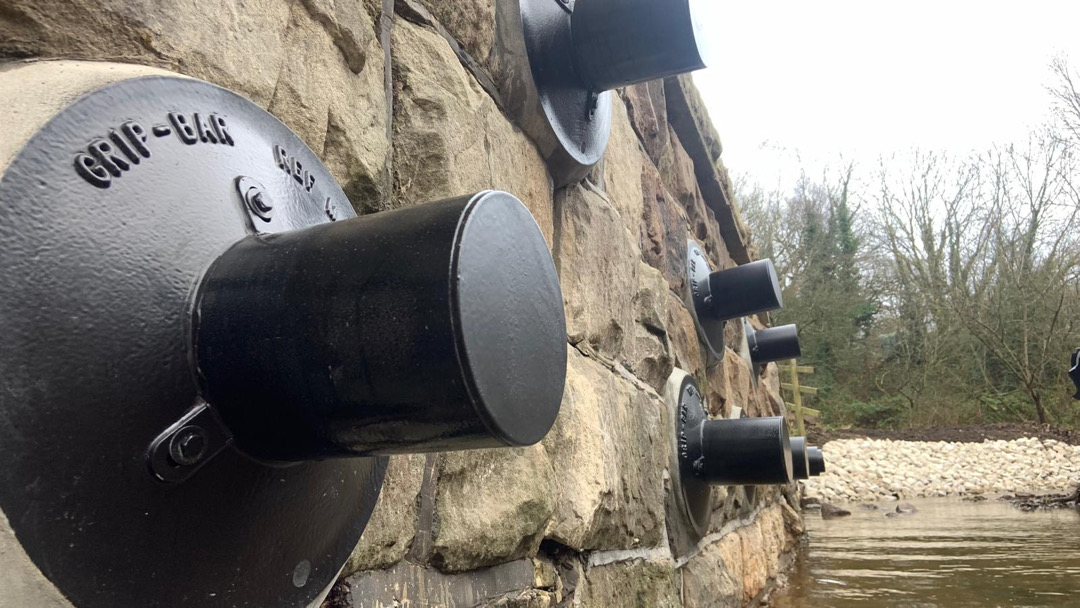
Where slopes or walls have begun to move but remain structurally viable, soil nails can be installed from the exposed face to reinforce the retained soil mass. These grouted steel bars improve overall stability and can be particularly effective where early displacement is identified, reducing the need for full reconstruction. Soil nails may be the only reasonable solution if the structure has moved and should be done as soon as small displacements appear (TRL)
•Ground anchors (tie-backs):
Active, tensioned anchors are installed behind the wall and prestressed to provide additional lateral restraint and increase load capacity. Ground anchors are especially valuable in constrained urban environments where excavation access is limited. They are typically installed in arrays extending beyond the potential slip plane and tensioned to deliver controlled resistance.
•Anchored reinforced grid systems:
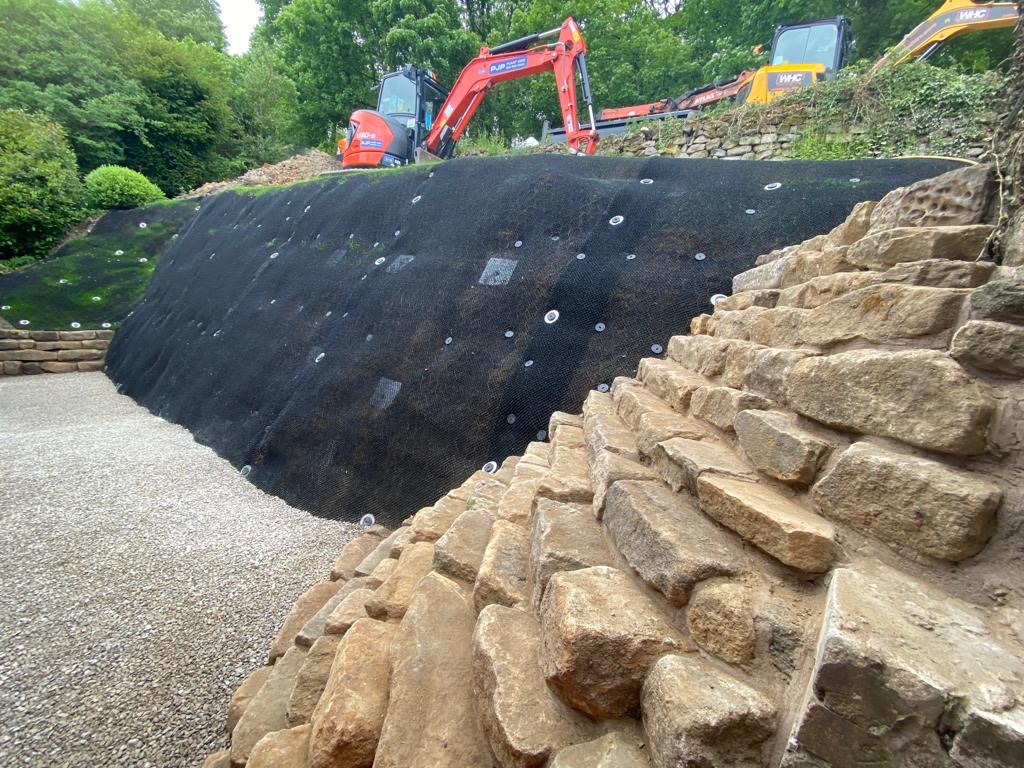
For slopes or embankments, combining geogrids with anchors or nails can stabilise the wider soil mass, particularly where poor drainage or vegetation loss has contributed to instability (Platipus). This method can also support reinstatement and controlled re-vegetation of the face.
•Concrete or masonry strengthening:
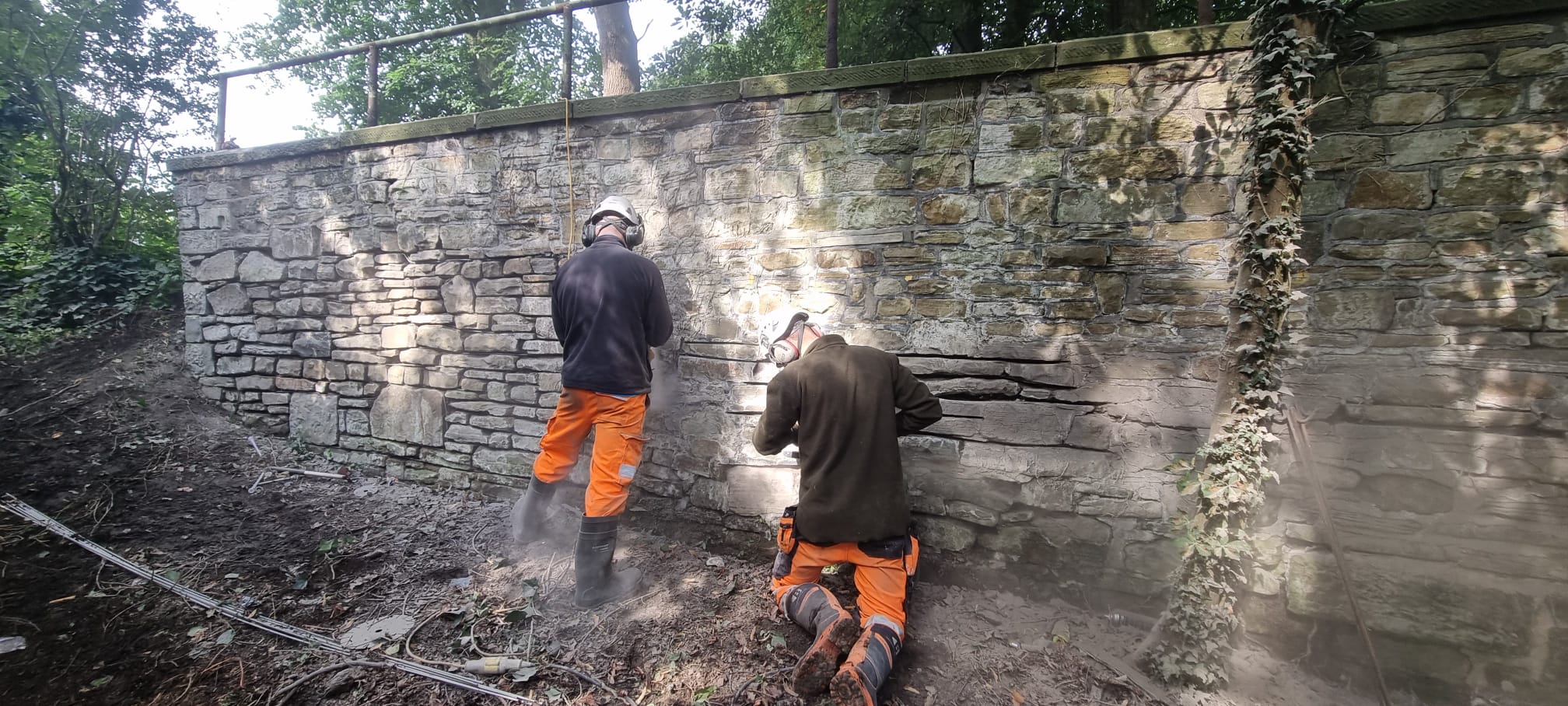
In certain cases, structural enhancement may include shotcrete application, buttressing or diamond drilling and coring to install epoxy-fixed reinforcement bars. These specialist techniques allow strengthening of existing walls without full demolition, which is often critical where access, services or programme constraints apply.
•Avoid unnecessary vegetation:
Deep-rooted trees or large shrubs should not be planted close to masonry or gravity walls unless the structure has been designed to accommodate them. A defined vegetation management and routine inspection strategy reduces long-term risk exposure and supports early identification of defects.
.jpeg)
Working With Trusted Retaining Wall Contractors
For asset owners such as councils, highways authorities and infrastructure managers, routine condition reviews are essential. Gradual movement, minor cracking, or changes in drainage performance often develop over time. When identified early, these issues can usually be stabilised through targeted measures rather than full reconstruction. Delayed action, by contrast, typically results in higher costs, greater disruption and increased safety risk.
Selecting the right contractor is equally important. Retaining wall remediation is not simply a construction task; it requires an understanding of ground behaviour, water pressures, long-term loading and environmental influences. Contractors should hold appropriate design accreditations and demonstrate experience in structural and geotechnical works. Approved installers and accredited systems provide reassurance that solutions are correctly specified, installed and load-verified.
Manufacturers such as Platipus can also support with technical input, including anchor design, load assessment and drainage integration. This collaborative approach ensures that any reinforcement aligns with the actual ground conditions and the long-term demands placed on the asset.
Most retaining wall failures are preventable when design, drainage and maintenance are treated as integral parts of asset management rather than reactive repairs.
As technical contractors with 35+ years of experience, we can provide retaining wall inspection, repair and consultancy services, supporting asset owners from initial assessment through to remediation and post-project support. Our approach is grounded in technical expertise, risk awareness and clear communication at every stage.
To see us in action, visit our recent retaining wall project in Northumberland here.
If you manage an asset that may require inspection or repair, speak with one of our geotechnical specialists to explore your options with confidence.

Get in touch